Minneapolis and nearby Hennepin County
Foundation Repair in Minneapolis: Stone Basements, Block Walls and Frost
Foundation repair in Minneapolis mostly means one of four jobs: a limestone or rubble basement losing its mortar, a block wall pushed inward by wet, frozen soil, a porch, stoop or garage lifted by frost, or water coming in at the floor and walls. This site explains each one with the city's own rules and named national price guides, then passes your request to one independent local specialist.
About 43% of Minneapolis homes were built in 1939 or earlier (U.S. Census), and Minnesota code sets footings here at least 42 inches deep for frost. Fixr's 2026 guide puts a typical foundation repair at $2,200–$8,200; HomeGuide (2025) prices wall anchors at $80–$150 a foot.
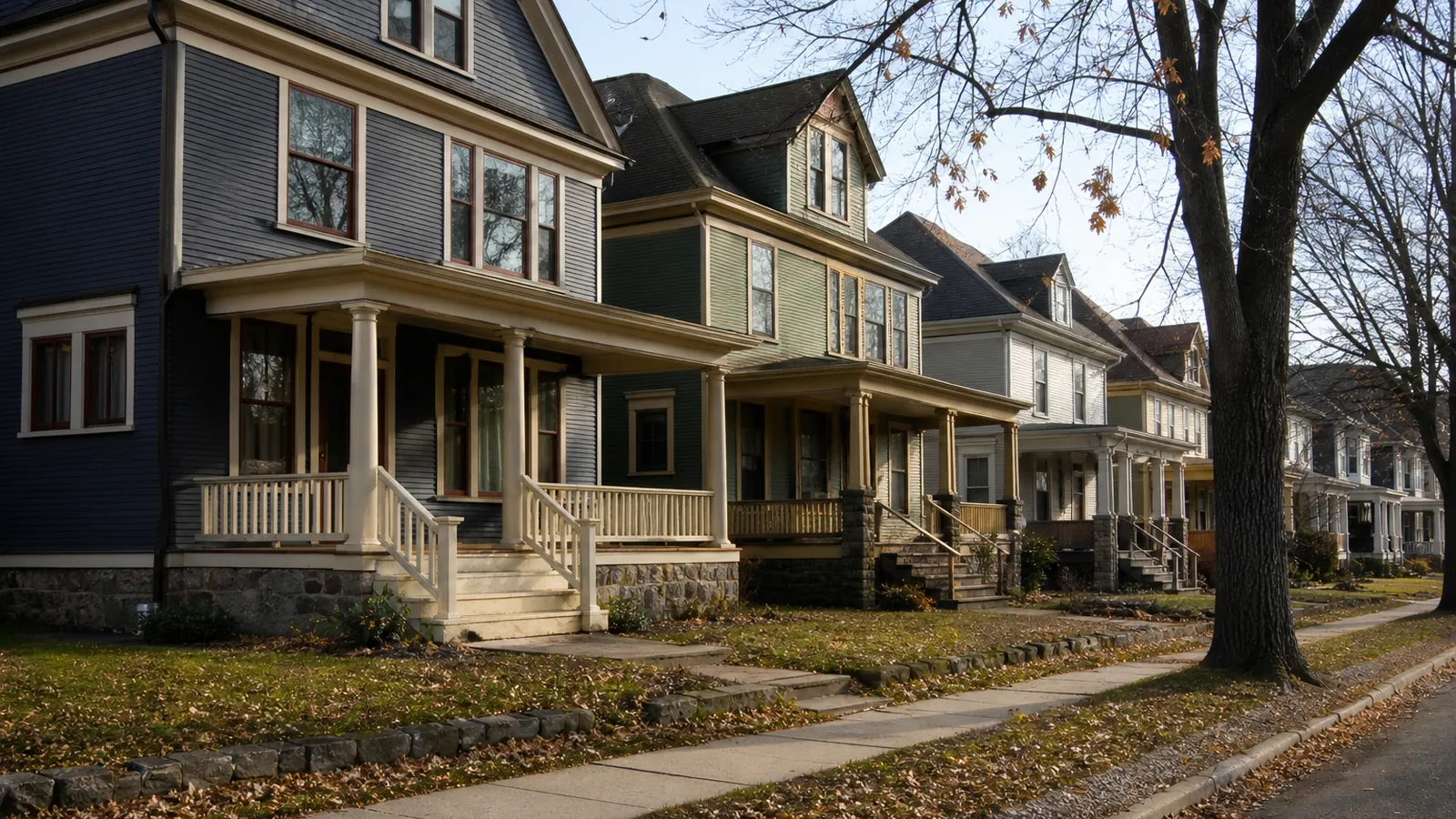
Which foundation repair does a Minneapolis house usually need?
Start from what you can see, and from roughly when the house was built:
- Stone or rubble basement walls, sand or crumbled mortar along the floor: repointing and parging, sometimes a rebuilt section. See limestone and rubble foundation repair.
- Concrete block basement with a long sideways crack, or a wall leaning in at the top: wall anchors, steel braces or excavation. See bowing basement walls.
- A porch, stoop, garage slab or later addition that rises in winter and drops in spring: footings sitting above the frost line. See frost heave repair.
- Water on the floor after snowmelt or a storm, or a sump that never stops: grading, drain tile and a sump that empties where the city allows. See basement waterproofing.
Plenty of houses show two of these at once, and a careful specialist looks at all four before naming a fix.
What a Minneapolis winter does to a foundation
Frost is the main force. NOAA's 1991–2020 normals for Minneapolis–St. Paul airport count about 147 nights a year at or below 32°F, 72 days that never climb above freezing and 22 nights below zero, with 51 inches of snow in an average winter. Wet soil expands as it freezes, and anything founded above the frost line can ride up with it. Minnesota Rules 1303.1600 puts Hennepin County in frost Zone II, with the rest of central and southern Minnesota, where footings must reach at least 3.5 feet (42 inches); the northern Zone I counties need 5 feet.
A basement wall reaches far below that line, but its top few feet do not. Saturated soil against a block wall freezes and pushes, and the spring thaw adds the weight of water. Age compounds it: 72% of Minneapolis homes predate 1980 and about 43% predate 1940 (U.S. Census ACS 2020–2024), built long before today's codes for footings, drainage and damp-proofing.
Four repairs, explained for Minneapolis houses
- Bowing and leaning basement wallsWhy frozen, saturated soil pushes block walls in, and how anchors, braces and excavation compare on a city lot.
- Limestone and rubble foundation repairSand on the floor, loose stones, a damp band: repointing, parging and rebuilding the city's oldest basements.
- Frost heave on porches, stoops, garages and additionsWhy parts of a house above the 42-inch frost line rise and settle, and the fixes: piers, new footings, slab jacking.
- Basement waterproofing and the city's sump rulesDrain tile, sumps, grading and exterior membranes, and where the water may go: never into the sanitary sewer.
- Foundation repair prices for Minneapolis housesNamed, dated national ranges for anchors, braces, repointing, piers, drain tile and sumps, and what moves them here.
The ground, the seasons and a sale
- The ground under MinneapolisGlacial till and outwash sand, limestone over sandstone, filled wetlands, groundwater and a 42-inch frost line.
- Foundation signs through the Minneapolis yearWhat a crack, a sticking door, a wet floor or a tilted stoop usually means, and the season it tends to show up.
- Selling with foundation or water historyWhat the Truth in Sale of Housing evaluation checks in a basement, what Minnesota sellers must disclose, and repair timing.
The limestone under the oldest houses
Many early Minneapolis basements were laid from stone dug nearby. A 1918 U.S. Geological Survey bulletin on Minnesota building stone calls the Platteville limestone, which outcrops along the Mississippi through the city, the only structural stone in Hennepin County, quarried heavily for basements and retaining walls. The same bulletin warned that its clay-rich beds crumble when weathered, while stone kept out of the weather stays durable and strong. That explains a familiar Minneapolis basement: sound behind its face, yet shedding mortar and sand at the joints. Repointing with a mortar suited to the stone, plus a parged face, usually keeps it in service; a bulging section is a separate, structural repair.
Permits, licenses and the city's sale evaluation
- Permits. The City of Minneapolis says most construction projects need a permit before work starts, and foundation work is not on its list of exempt jobs. Emergency repairs may begin first, with the application due the next working business day.
- Licenses. The Minnesota Department of Labor and Industry (DLI) requires a residential building contractor or remodeler license from anyone who contracts with a homeowner for work in two or more of its eight special skills. Masonry walls, drain systems and waterproofing sit inside one skill and excavation is another, so a company that digs out and rebuilds a wall needs the license, while a single-skill specialty contractor does not. Any name can be checked on DLI's license lookup.
- Truth in Sale of Housing. A licensed evaluator looks at the foundation, signs of dampness, the grade and the sump before a Minneapolis house can be shown for sale. A sump that empties into the sanitary sewer is a required repair. More in selling with foundation history.
Where a request from this site goes
MPLS Foundation Repair is a reference and referral site. Nobody here inspects, engineers or repairs foundations, and no one from the site comes to your house. The form goes to one independent foundation and basement specialist who works in Minneapolis and nearby suburbs and pays this site for each referral. Asking costs nothing, and you remain free to collect other bids.
Questions homeowners ask
Why do foundation cracks in Minneapolis open in winter and close in summer?
Usually because the soil around the house freezes and thaws. Wet soil expands as it freezes, pressing on the top of a basement wall and lifting shallow footings, then eases back after the thaw. Mark a crack like that with a pencil line and the date each season. One that grows wider every year, or a wall that leans further, needs a specialist's look.
Is an old stone basement a foundation problem by itself?
No. Many Minneapolis stone basements have stood for over a century. The weak points are the mortar joints, which wash out and leave sand on the floor, and stone faces kept wet, which the U.S. Geological Survey noted can crumble in the local limestone. Repointing and parging keep most of them sound; a bulging or leaning section needs structural work.
What happens after I send the form?
It goes to one independent foundation and basement specialist who serves Minneapolis, not to a list of companies. The specialist gets in touch using the details you gave, asks about the house and arranges a look if you want one. Whether that first visit carries a charge depends on the company, so ask before they come out. Other bids stay open to you.
Sources
- U.S. Census Bureau, American Community Survey 2020-2024: year structure built (B25034), Minneapolis city
- Minnesota Rules 1303.1600: Footing depth for frost protection
- City of Minneapolis: Construction work exempt from permit
- Minnesota Department of Labor and Industry: Residential contractor licensing
- City of Minneapolis: Truth in Sale of Housing
What has changed in the basement or around the house?
Sand on the floor, a crack that grew, a porch that lifted, water after the thaw: any one of these is a fine place to start. One independent foundation and basement specialist serving Minneapolis reads it and replies.